As an Amazon Associate, we earn from qualifying purchases. Some links on this site are affiliate links at no extra cost to you. Our recommendations are based on thorough research and editorial judgment.

Cleaning A Camera Sensor Safely

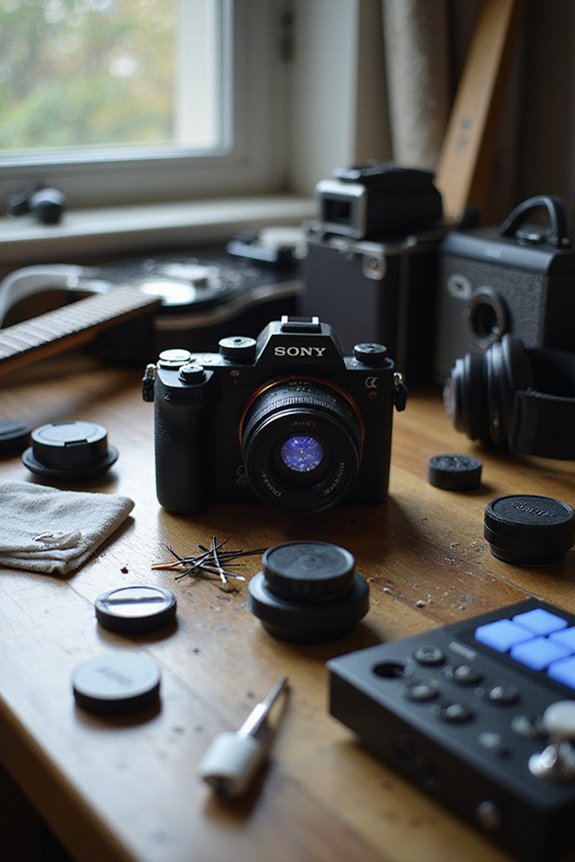
We need to be diligent when cleaning our camera sensors to avoid damage. First, let’s identify contamination by checking for dark spots or smudges. For dry cleaning, using a blower bulb and a static-charged brush helps remove loose dust without contact. When wet cleaning, use sensor-specific swabs and gentle solutions. Regularly inspect your tools and consider professional help if issues persist. We’ll also cover more detailed techniques for keeping your sensor in top shape.
Key Takeaways
- Ensure the camera battery is above 50% and work in a clean, dust-free environment before starting the cleaning process.
- Use an air blower to safely remove loose dust before employing dry cleaning methods like sensor brushes.
- Utilize sensor-specific swabs and gentle cleaning solutions for wet cleaning, but limit this to persistent contaminants only.
- Position the sensor downward during cleaning to utilize gravity for dust removal and inspect after each step.
- Seek professional help if dark spots persist after cleaning or if visible dust remains despite your efforts.
Identifying Sensor Contamination
You may be interested



How can we tell if our camera sensor is contaminated? First, we should look for persistent dark spots or smudges in our images, especially when shooting at smaller apertures like f/8. These artifacts often reveal contamination sources like dust or moisture that entered during lens changes. Sensor diagnostics can help us identify these issues, as contamination typically doesn’t move when we zoom in or change our camera orientation. Horizontal lines or color distortions may indicate further problems. It’s essential to remember that contaminants accumulate on the protective filter glass in front of the sensor, making it easier to clean. Regularly checking our images can help us maintain ideal image quality and catch contamination early.
Recommended Products

WHAT CAUSES DUST SPOTS & HOW THIS FIXES IT: Dark spots appear when dust stick to your camera sensor, especially after lens changes. Our alcohol-free sensor cleaner safely lifts dust and smudges without harming coatings, and each 24mm full-frame swab is individually vacuum-sealed to ensure it is completely free of dust and debris before use.

【PROFESSIONAL LENS CLEANING KIT】:Dslr cleaning kit includes Camera Dust Blower*1, Lens Cleaning Pen*1, Microfiber Lens Cleaning Cloths*2. Safe for all electronics, coated lenses and sensors.

SUPERFINE MICROFIBER: the microfiber swabs of Product No. HCS-24 are prepared by laser-cut in Cleanroom 100 level workshop. It is super fine, flexible, smooth and lint-free, no damage to the sensitive sensors, sweeping off invisible dust and particles without fluff left
Dry Cleaning Techniques
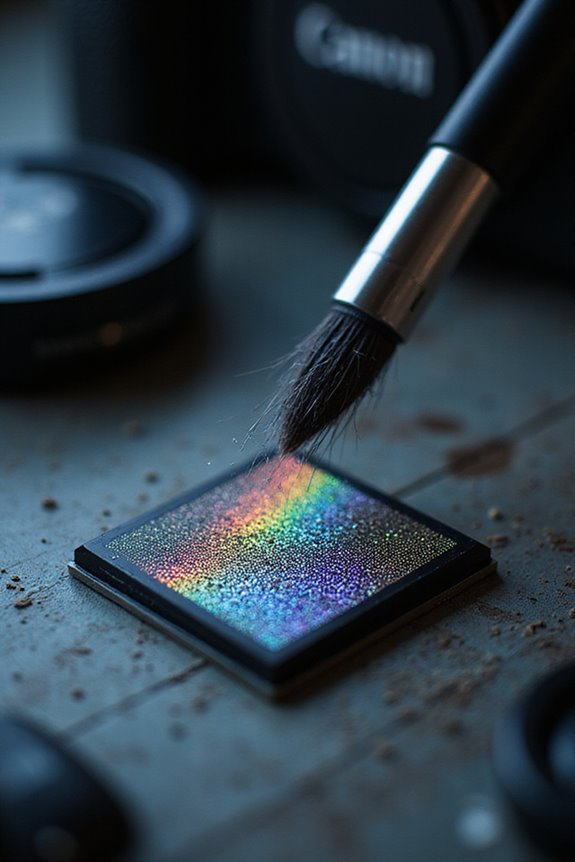
When it comes to keeping our camera sensors clean, dry cleaning techniques are often the first line of defense against dust and debris. We can start by using a dedicated dry sensor brush or a specialized tool like the Arctic Butterfly for effective static removal. Before brushing, we should use an air blower bulb to dislodge loose dust.
During dry brushing, it’s crucial to employ gentle, controlled motions without applying pressure, as this avoids scratching the sensor surface. Positioning the sensor downward allows gravity to aid in dust removal. We can repeat this process several times to guarantee thorough cleaning. Finally, inspecting the sensor after each step helps confirm whether further cleaning is necessary, keeping our gear in top shape. Utilizing air blowers beforehand can significantly reduce debris on the sensor.
Recommended Products
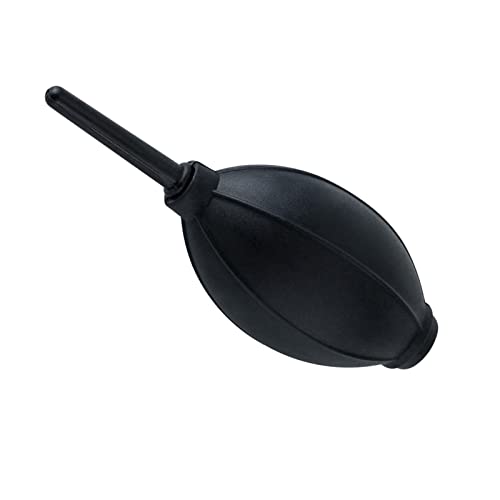
【Multipurpose】:Our dust-free air blower is perfect for cleaning LCD,sensor,digital camera lens, binocular lens, and telescope lens, filters, musical instruments, computers, keyboards, cellphone, etc.

【Everything you Need】2 Pcs Rubber Rocket Air Blower Duster ,1Pcs Lens Cleaning Pen,1 Pcs Blower Brush Dust Cleaner. It comes with a fabric carrying pouch to hold the entire kit.
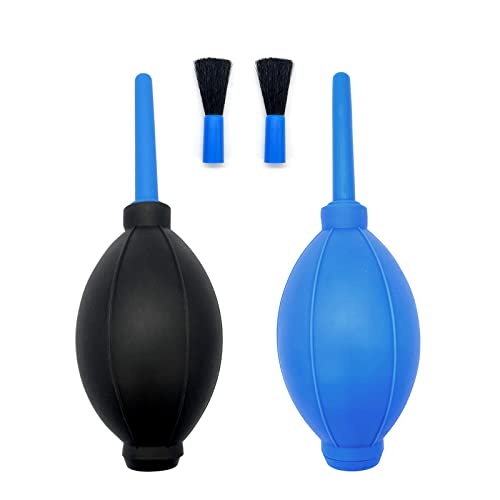
Our air blowers are soft to the touch, easy to use, replenishes air quickly, works well, long enough to get into hard to reach places.
Wet Cleaning Procedures
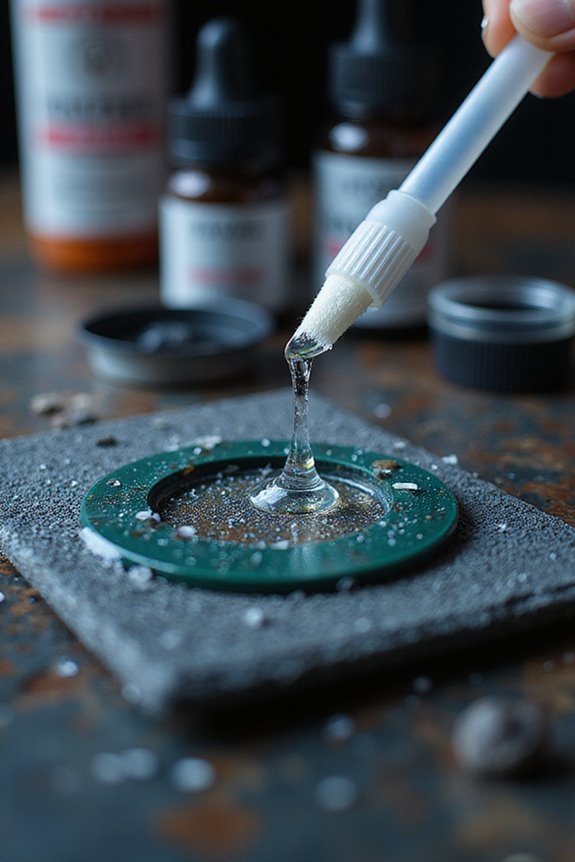
Wet cleaning is an important step in maintaining our camera sensors, especially for those stubborn spots that dry cleaning just can’t tackle. It’s vital we choose a clean, dust-free workspace and make certain our camera battery is charged above 50% before starting. Activating the manual or sensor cleaning mode locks the mirror safely, paving the way for effective cleaning.
Using sensor-specific swabs and a gentle cleaning solution, we can easily lift away contaminants. The wet cleaning benefits include a clearer sensor, leading to sharper images. We should limit wet cleaning frequency to instances of persistent dirt or oil, as overdoing it can risk damage. After cleaning, a test shot reveals any remaining debris, confirming our sensors are in top condition. Additionally, using alcohol-free cleaning solutions can help prevent streaks and residue on the sensor.
Recommended Products
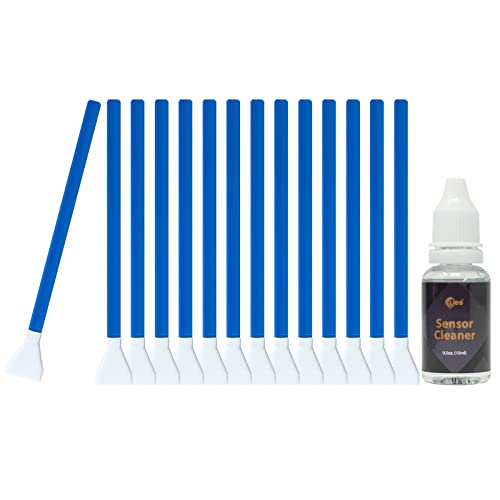
16MM APS-C SENSOR CLEANING KIT: Includes 14 ultra-soft, microfiber 16mm sensor swabs and a 15ml bottle of liquid camera sensor cleaner. Specifically engineered to perfectly fit the width of APS-C sensors for a seamless, one-swipe edge-to-edge clean.
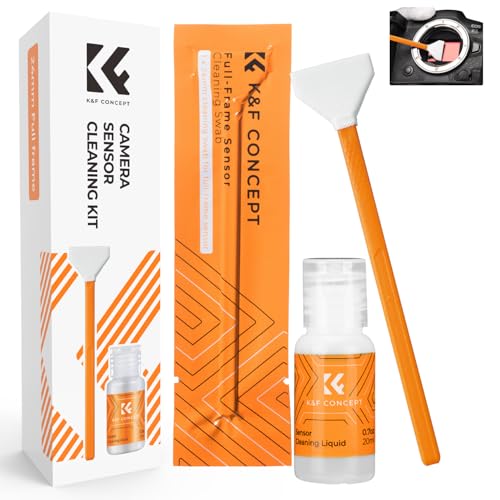
【6 Pieces of 24mm Sensor Cleaning Swabs】 Tailored according to the size of the Full frame frame sensor;Smudge-and lintfree, flexible grip rod allows the head to be close to the sensor without harm. The width of swab is 16mm and each swab is vacuum packaged.

Camera Lens Cleaning Kit (14 pieces), including, air blower, lens pen, cleaning brush, lint-free cloth, lens pen, storage bag, etc.
Essential Cleaning Tools
Essential Cleaning Tools
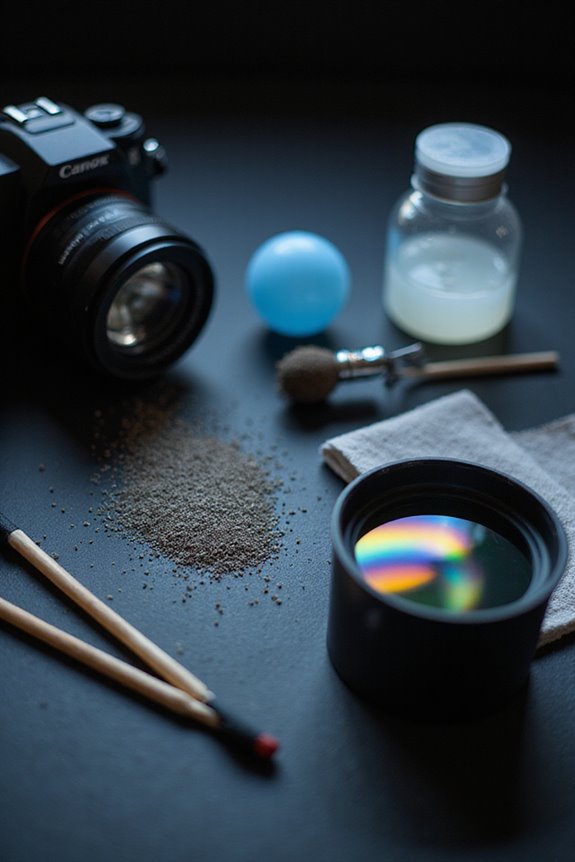
Having the right cleaning tools is crucial for maintaining our camera sensors in top condition. First, an air blower, like the Giottos Rocket Air Blower, helps us remove dust safely without touching the sensor. Next, sensor cleaning swabs are specifically designed for our camera sensors, available in dry and wet varieties, ensuring effective cleaning with minimal risk of contamination. Cleaning brushes, with their soft bristles, attract dust using static charge, making them great for camera crevices. Don’t forget microfiber cloths and lens pens for smudges and fingerprints. Regular tool maintenance is essential, so we should clean brushes and keep microfiber cloths free of debris. By establishing a cleaning frequency, we can protect our gear for years to come. Additionally, using carbon cleaning tips can effectively remove tough stains without scratching delicate surfaces.
Recommended Products

Professional Camera Lens Cleaning Kit Includes: air blowing * 1, two in one cleaning pen * 1, brush * 1, beauty brush * 1, cleaning cloth * 5, lens paper * 20, cleaning rod * 4, detergent * 1, dry and wet bag *5, tweezers *1, storage box *1, cotton swab *5, instruction manual*1

【6 Pieces of 16mm Sensor Cleaning Swabs】 Tailored according to the size of the APS-C frame frame sensor;Smudge-and lintfree, flexible grip rod allows the head to be close to the sensor without harm. The width of swab is 16mm and each swab is vacuum packaged.

【Professional Lens Cleaning Kit】 Dslr cleaning kit includes Lens Cleaning Pen*1, Camera Blower*1, 60ML Purified Water, 40*40cm Extra-large Oversize Microfiber Cleaning Cloth*2, 15*15cm Cleaning Cloth*3, Lens Wipes*6, Lens Brush*1. All essentials in one convenient package.
When to Seek Professional Help
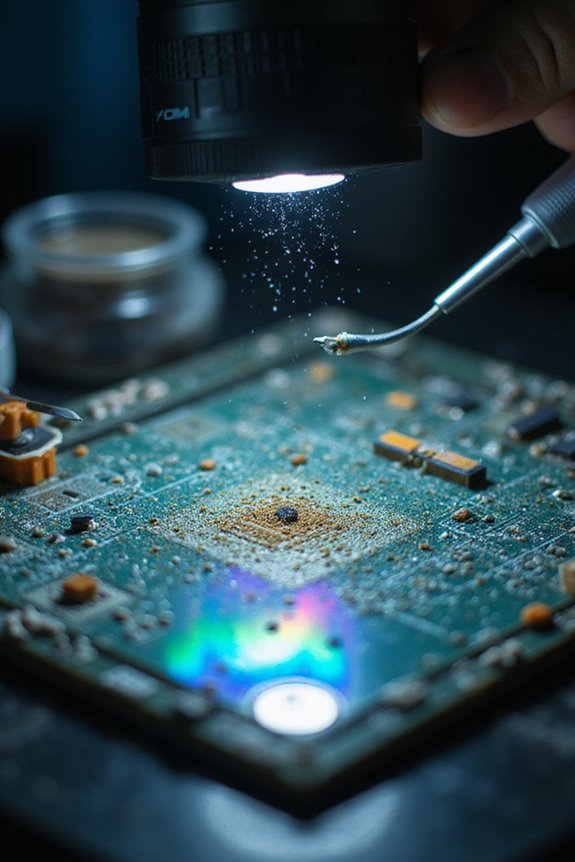
Knowing the right time to seek professional help for camera sensor cleaning can save us from costly mistakes. If we notice persistent dark spots on our images despite our cleaning efforts, it’s time to call in the experts. Similarly, if visible dust or dirt remains after using safe blown air methods, we should act. Exposure to harsh environments can lead to sensor damage, and pro services are essential for thorough cleaning in these cases. Additionally, before major assignments, we should consider professional cleaning to guarantee peak image quality. Remember, trying to clean the sensor ourselves could void warranties or worsen the contamination. Trusting professionals with the right tools guarantees our cameras remain in top shape.
Frequently Asked Questions
How Often Should I Clean My Camera Sensor?
Did you know that dust accumulation affects image quality greatly? We should clean our camera sensors every few months or when we notice degradation, balancing sensor cleaning frequency with caution to avoid potential damage.
Can I Use Regular Cleaning Cloths for Sensor Cleaning?
We shouldn’t use regular cleaning cloths for sensor cleaning. Instead, let’s opt for specialized sensor cleaning tools and lint-free microfiber cloths to guarantee we maintain our equipment without risking scratches or damage to the sensor.
What Are the Signs My Sensor Needs Cleaning?
When we notice persistent grey spots in our photos, it’s like clouds blocking the sun. Those sensor dust particles call for cleaning techniques; let’s guarantee our images shine bright and clear again, free from distractions.
Is It Safe to Clean My Sensor Outdoors?
While we can clean our sensor outdoors, we must consider outdoor conditions that could compromise sensor safety. Dust and wind can introduce contaminants, so a controlled environment is usually the best option for cleaning.
Can Cleaning Damage My Camera’s Warranty?
It’s important to recognize that cleaning can impact warranty policies. If we’re not careful with sensor maintenance, unauthorized cleaning might void certain warranties. It’s best to follow manufacturer guidelines to guarantee our coverage remains intact.