As an Amazon Associate, we earn from qualifying purchases. Some links on this site are affiliate links at no extra cost to you. Our recommendations are based on thorough research and editorial judgment.


Prime Lenses Vs Zoom Lenses: Which Is Better

When we compare prime lenses and zoom lenses, each has its strengths. Prime lenses excel in image quality and low-light situations due to their wider apertures, like f/1.8. They tend to be lighter and more portable, making them ideal for travel. However, zoom lenses offer versatility with multiple focal lengths, which is handy for spontaneous shots. If we’re looking for sharpness and clarity in demanding environments, primes are often our best option. Let’s explore their differences further.
Key Takeaways
- Prime lenses offer superior sharpness and image consistency, making them ideal for high-detail photography like portraits and products.
- With wider maximum apertures, prime lenses excel in low-light conditions, allowing for faster shutter speeds and better subject isolation.
- Prime lenses are typically lighter and more portable than zoom lenses, facilitating easier travel and quicker setups during shoots.
- Zoom lenses provide versatility with multiple focal lengths, enabling quick adjustments and capturing spontaneous moments without lens changes.
- While prime lenses generally cost less, the choice depends on balancing budget with desired image quality and shooting style.
Image Quality and Sharpness
You may be interested



When we explore the world of photography, image quality and sharpness often top our list of priorities. Prime lenses excel in delivering sharpness thanks to their optimized optical design for a single focal length. This singular focus means they consistently outperform zoom lenses, especially at mid-apertures like f/5.6, where we notice enhanced textures and clarity. While premium zoom lenses attempt to mimic this quality, they often come at a steep price. Moreover, primes maintain image consistency across the frame, providing predictable sharpness without the variability that zoom lenses can exhibit. For projects requiring high detail, such as portrait or product photography, choosing a prime lens guarantees both clarity and reliability in our images.
Recommended Products

50 millimeter focal length and maximum aperture of f/1.8

85mm Portrait Prime Lens: Expertly designed for Sony E-mount cameras, this F1.8 aperture delivers stunning background blur (bokeh) and exceptional sharpness, making it the perfect tool for portraits, weddings, and creative photography.

Compact, Lightweight Fixed 50 millimeter Focal Length Lens.
Aperture and Low-Light Performance

While both prime and zoom lenses serve essential roles in photography, prime lenses shine remarkably in low-light situations due to their wider maximum apertures. These low light advantages enable prime lenses—often featuring apertures like f/1.8 or f/1.4—to gather considerably more light than typical zoom lenses, which often max out at f/2.8 or f/4. This means we can shoot at faster shutter speeds and lower ISO settings, reducing noise and maintaining image clarity. For instance, when capturing an indoor event or night scene, primes allow us to isolate subjects beautifully and create impressive bokeh effects. In contrast, zoom lenses may struggle, forcing us to rely on higher ISO settings that result in grainier images. Ultimately, primes elevate our creative options in challenging lighting.
Size, Weight, and Portability
Since many of us appreciate versatility in our gear, understanding the size and weight differences between prime and zoom lenses is essential for anyone serious about photography. Prime lenses typically feature a more compact design, making them lighter and easier to carry. For instance, traveling with a 50mm prime is far simpler than lugging around a zoom lens.
Conversely, zoom lenses often require more space for their moving elements, making them bulkier. This increase in size can affect weight distribution, resulting in fatigue during extended handheld shoots. So, if we value portability in a busy environment, primes truly shine, allowing for quicker setups and less cumbersome gear, while still delivering impressive quality in our photos.
Recommended Products

【APPLICABLE MIRRORLESS CAMERAS】Compatible for M4/3 Mount APS-C Mirrorless Cameras for Panasonic GH3 GH4 GF1 GM1 GM5 for Olympus E-M1 E-M5 E-M10. Manual focus prime lens need to turn on the function of “Release w/o Lens” to keep the clutter work.

Ultra-Compact and Lightweight: The VILTROX 28mm f4.5 XF lens is a compact, lightweight prime lens designed for Fujifilm APS-C mirrorless cameras. 60.3mm in diameter and 15.25mm thick, and weighs only about 60g.

Camera compatibility: Compatible with FX and DX format Nikon Z series mirrorless (on DX-format cameras, the lens has a field of view of 60mm)
Versatility and Convenience
In photography, having a lens that adapts to our shooting environment can make all the difference. Zoom lenses shine in versatility, offering multiple focal lengths that enable quick adjustments across various shooting scenarios, like capturing a bustling event or a serene landscape. This flexibility allows us to stay focused on our creative approaches without constantly swapping lenses. While prime lenses encourage thoughtful composition, their fixed focal lengths can limit spontaneity. Zooms let us capture that fleeting moment effortlessly, enhancing convenience during fast-paced sessions. Plus, with fewer lenses to carry, we have less gear to manage, making it easier to stay light and agile on our photography adventures.
Recommended Products

Upgraded 28x Telephoto Lens – Wider View & Easier Framing: Designed for everyday users, this 28x telephoto lens delivers a wider field of view than most 28x lenses, making it easier to find and frame distant subjects. Whether you're at a concert, a sports game, or just exploring nature, you'll get crisp, high-resolution close-ups without the hassle of perfect alignment.

EF Mount; Aperture Range: f/4-45; DC Autofocus Motor; 4.9' Minimum Focus Distance; 58mm Filter Thread Diameter

Focal Length & Maximum Aperture : 75-300mm 1:4-5.6
Cost Considerations
When we break down the cost differences between prime and zoom lenses, it’s clear that budget plays a significant role in our decisions. Typically, prime lenses, like a 50mm f/1.8, are less expensive than professional zooms, which can run $1,900 or more. For many of us, investing in multiple primes can be a smarter strategy, as they tend to offer better image quality and lower prices for specific focal lengths. While entry-level zoom lenses might seem cheaper at first glance, they often compromise on optics. So, when evaluating budget factors, we must balance initial costs with long-term value, making informed choices on where to invest our resources for the best possible results.
Recommended Products
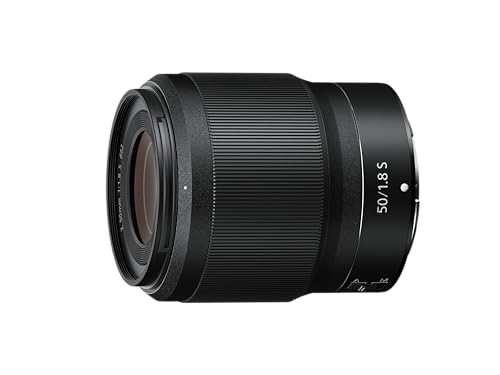
Fast 50mm prime for Z Mirrorless cameras
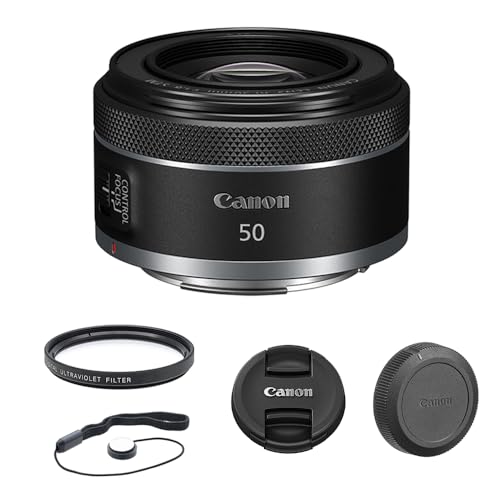
Compact, Lightweight Fixed 50 millimeter Focal Length Lens.
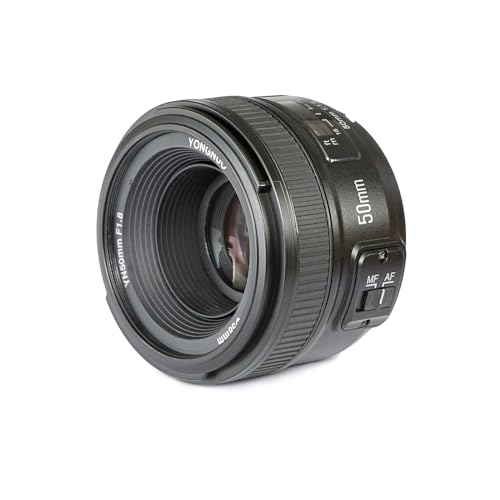
A great 50mm prime lens, and this is an excellent addition to the Nikon 12-50mm kit lens;
Use Case and Application Suitability
While both prime and zoom lenses serve essential roles in photography, their suitability often hinges on the specific needs of the shooter. For shoot styles featuring dynamic environments, like events or wildlife, zoom lenses excel due to their flexibility, allowing us to quickly change compositions without swapping lenses. Conversely, prime lenses compel us to adopt deliberate focus techniques by physically moving our bodies, which can foster creativity. Landscape photographers often lean towards zoom lenses for their ability to adapt to various scenes, while portrait and still-life experts appreciate the sharpness and bokeh of primes. Ultimately, our choice will reflect the unique demands of our photographic endeavors and the specific effects we aim to achieve.
Recommended Products

75-300 millimeter telephoto zoom lens with f 4-5.6 maximum aperture for Canon SLR cameras


Compact, lightweight and high-image quality RF tele zoom lens, with a versatile zoom range of 100-400mm
Final Thoughts on Choosing Lenses
Choosing the right lens can greatly impact our photography experience and the quality of our images. When weighing our options, we should consider lens maintenance and user preferences. Prime lenses shine with their superior sharpness and lower weight, perfect for low-light shoots. However, they typically require multiple lenses to cover various focal lengths, which can add weight. Zoom lenses, on the other hand, provide versatility in dynamic settings, reducing lens swaps and improving workflow. While they may be larger and heavier, their all-in-one nature can simplify our gear. Additionally, selecting lenses with Vibration Reduction technology can enhance stability in various shooting conditions. Ultimately, our decision will depend on specific shooting scenarios, budget, and personal shooting style. Balancing these factors will help us make the most informed choice.
Frequently Asked Questions
Can I Use Both Prime and Zoom Lenses Together in My Kit?
Sure, we could just pick one lens and pretend the other doesn’t exist, but why limit ourselves? Using primes and zooms together gives us unparalleled lens versatility for various shooting scenarios, enriching our photographic adventures.
How Do Prime and Zoom Lenses Affect Autofocus Performance?
When considering autofocus performance, we’ve noticed that primes generally offer superior speed and accuracy. However, with varying lens compatibility, some zooms can closely match primes, especially in modern camera systems with advanced autofocus technology.
Do Prime Lenses Require More Skilled Shooting Techniques Than Zoom Lenses?
We believe prime lenses do require more skilled shooting techniques, as they challenge us to refine our focus techniques and enhance our composition skills, pushing us to engage more deeply with our subjects and surroundings.
What Accessories Enhance the Performance of Prime or Zoom Lenses?
To enhance our lens performance, we should consider using filter effects for improved image quality and lens hoods to prevent flare. Together, these accessories can dramatically elevate our photography experience, regardless of lens type.
How Do Weather Sealing Features Differ Between Prime and Zoom Lenses?
When it comes to weather resistance, we can’t ignore that prime lenses often boast simpler lens construction, making them easier to seal effectively than zooms. This results in better performance in harsh environments for many photographers like us.